A nationwide network WORKING TO RESHAPE
youth sport from the ground up.
Coalitions for Sport Equity connects local coalitions into one network
working to remove the barriers that keep young people out of sport.

THE BARRIERS THAT YOUTH AND FAMILIES FACE ARE BIGGER THAN ANY ONE ORGANIZATION CAN ADDRESS.
Sport builds connection, confidence, and resilience — the evidence on that is strong.
But the barriers keeping kids out of sport are systemic: funding, facilities, policy, coordination. No single organization can move those alone.
A coalition is how a city's organizations take them on together — and there is evidence that it works!
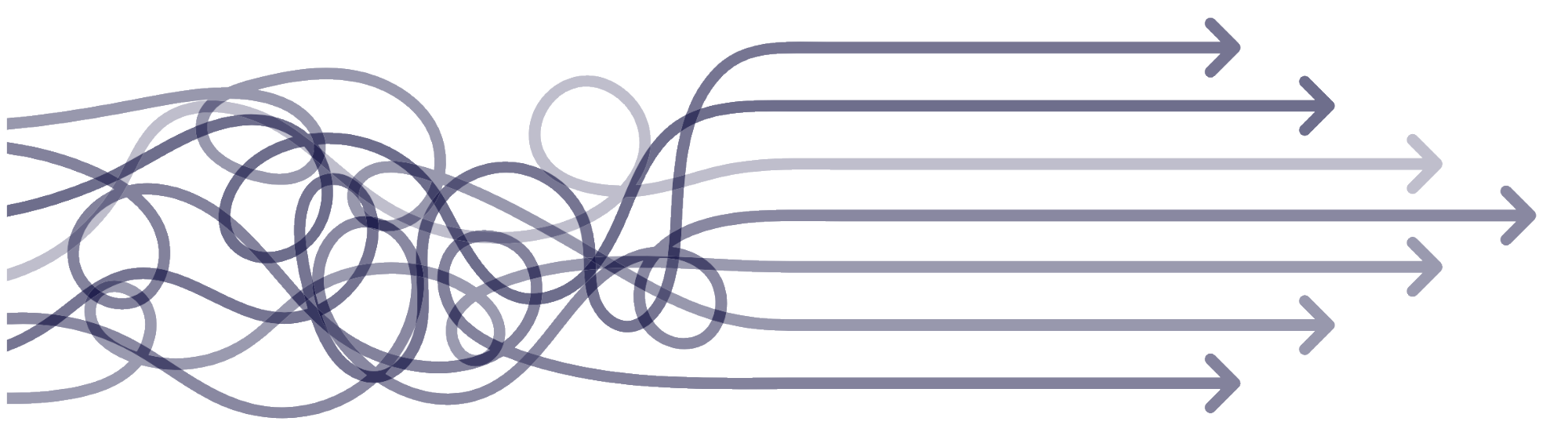
OUR MODELGROUNDED IN COMMUNITY, HELD TOGETHER BY TRUST
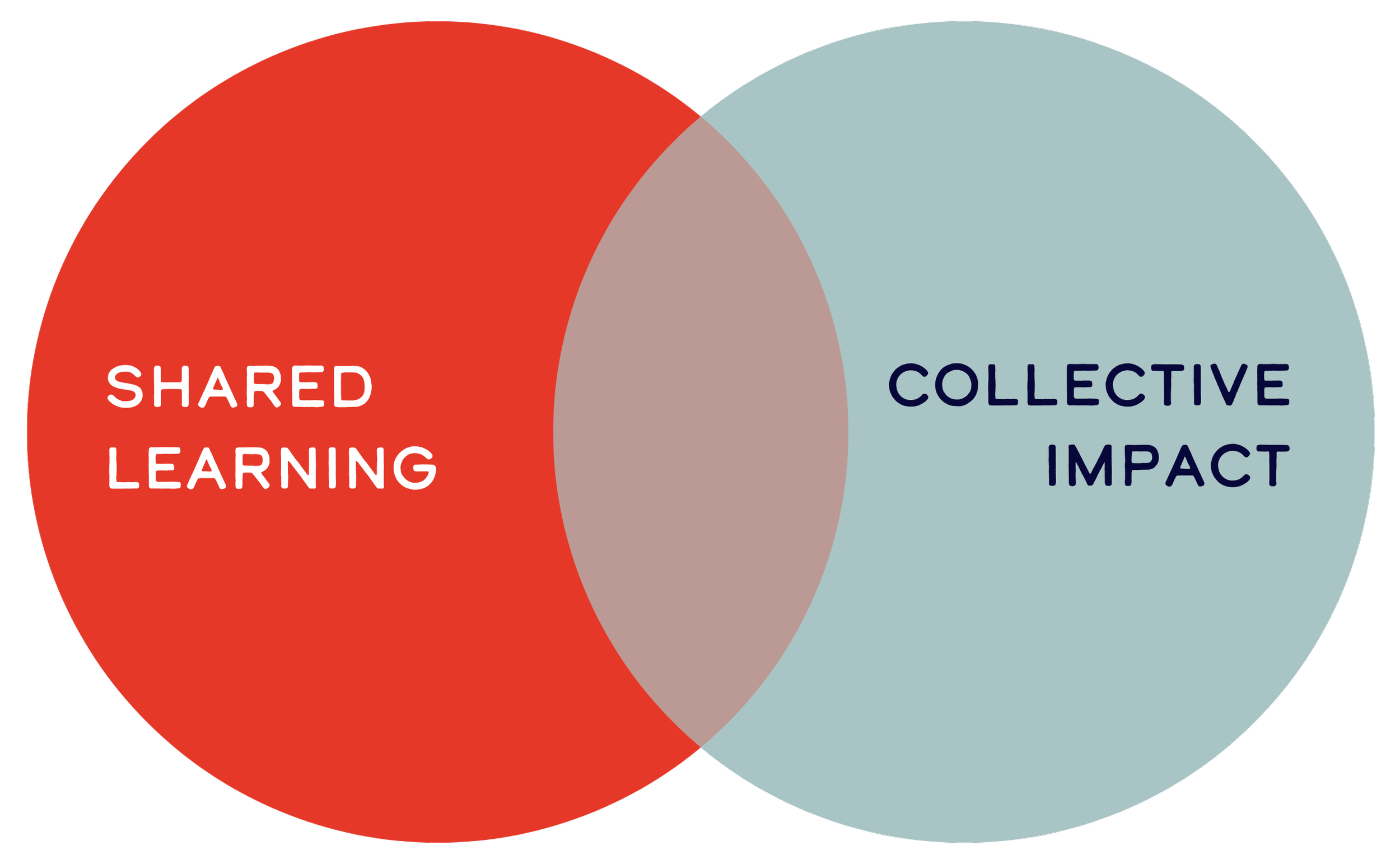
Our own research found that how a coalition is structured explains only part of what makes it succeed. So while we're built in alignment with Community Coalition Action Theory — a model for collective impact rooted in local solutions — we also have evidence for what members value most: trust, and the ability to learn from peers doing the same work.
-
Our network represents more than 500 community based organizations nationally.
-
More than half of our members serve 200 or fewer kids.
-
Across all our coalitions our members represent more than 2,000 partnerships.
-
85% of our member organizations agreed that their local coalition improved sport, recreation and play equity in their community.
-
86% of members agreed that youth and families are better off because of the work of their local coalition.

WHY SPORT?
Sport is a scalable, evidence-based method for helping young people heal from trauma, cope with anxiety and stress, and build the core skills that are most correlated to positive academic, health, and economic outcomes. High quality youth sport experiences has been shown to provide range of mental, physical, and community wellness benefits: